
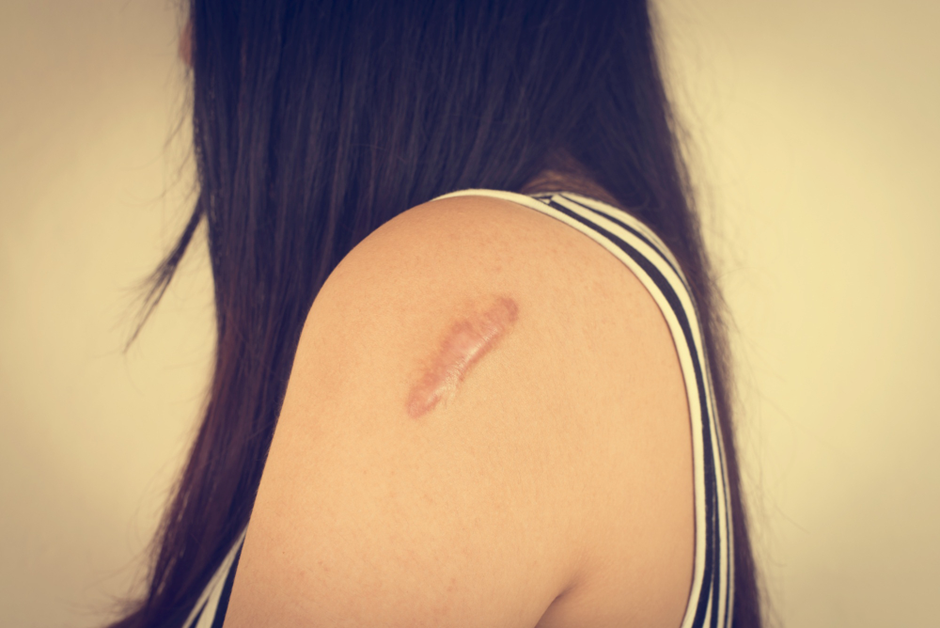
Introduction to Scar Revision Surgery
Many people feel self-conscious about scars. Scar revision surgery can help improve the look of scars and boost confidence. This procedure aims to make scars less noticeable. Often, people search for ways to improve scar appearance or look for plastic surgery for scars. Scar revision surgery is one of the most effective scar removal procedures available today.
Common Reasons for Scar Revision
People choose scar revision for many reasons. Sometimes, scars cause discomfort or limit movement. Other times, scars may affect appearance or self-esteem. For example, some people want to reduce the size of a scar, while others want to smooth out raised or uneven scars. In addition, some scars may itch or hurt, making daily life harder.
Types of Scars Treated
Not all scars are the same. Different types of scars may need different treatments. Common types include:
- Keloid scars: These are thick, raised scars that grow beyond the original wound.
- Hypertrophic scars: These are raised but stay within the wound area.
- Contracture scars: These scars tighten the skin and may limit movement, often after burns.
- Acne scars: These are small pits or raised areas left after severe acne.
Surgical and Non-Surgical Techniques
Scar revision surgery is not the only option. There are both surgical and non-surgical methods. For example, doctors may use one or a mix of these treatments:
- Surgical excision: The scar is removed, and the skin is closed with fine stitches.
- Skin grafts or flaps: Healthy skin is moved to cover the scar area.
- Laser therapy: Light is used to smooth and fade scars.
- Steroid injections: Medicine is injected to flatten raised scars.
- Dermabrasion: The top layer of skin is gently removed to improve texture.
- Chemical peels: Special solutions help remove damaged skin layers.
What to Expect Before, During, and After the Procedure
Before the Procedure
First, you will meet with a plastic surgeon. During this visit, you can discuss your goals and ask questions. The doctor will examine your scar and suggest the best treatment. Sometimes, you may need to stop certain medicines before surgery.
During the Procedure
Most scar revision surgeries are done in a clinic or hospital. Usually, local anesthesia is used, so you stay awake but do not feel pain. The doctor will use the chosen technique to treat your scar. The time needed depends on the size and type of scar.
After the Procedure
After surgery, you may have mild swelling, redness, or discomfort. However, these symptoms usually improve within a few days. Your doctor will give you instructions for caring for your wound. You may need to avoid sun exposure and keep the area clean.
Benefits and Realistic Outcomes
Scar revision surgery can greatly improve the look of scars. For many people, this leads to better self-confidence. In addition, some people notice less pain or itching. However, it is important to have realistic expectations. While scars can be improved, they may not disappear completely. Results depend on the scar type, your skin, and the chosen treatment.
Risks, Potential Complications, and Limitations
Like any surgery, scar revision has risks. These may include:
- Infection
- Bleeding
- Allergic reaction to anesthesia
- New or worsened scarring
- Changes in skin color or texture
However, most people recover without serious problems. It is important to follow your doctor’s advice to lower risks. Also, some scars may not respond as well as others. Your doctor will explain what results you can expect.
Recovery Process and Aftercare Tips
Proper care after scar revision surgery helps healing. Here are some tips:
- Keep the area clean and dry
- Follow your doctor’s wound care instructions
- Use prescribed ointments or creams
- Avoid sun exposure on the scar
- Do not pick at scabs or stitches
- Attend all follow-up visits
Most people return to normal activities within a few days. However, full healing may take several weeks or months.
Prevention of Problematic Scars in the Future
While not all scars can be prevented, you can lower your risk. For example:
- Treat wounds gently and keep them clean
- Use sunscreen on healing skin
- Avoid picking at scabs
- Follow your doctor’s advice after surgery or injury
Early care can help scars heal better and look less noticeable.
When to Consult a Plastic Surgeon
If a scar bothers you, causes pain, or limits movement, it may be time to see a specialist. A board-certified plastic surgeon can explain your options. They will help you decide if scar revision surgery or another treatment is right for you. For those seeking scar revision surgery in your area, look for a doctor with experience in scar removal procedures.
For personalized advice on scar revision surgery, consult a board-certified plastic surgeon at FALGUNI CLINICS, a dedicated and trustworthy Plastic Surgery Centre with advanced treatments in Hyderabad.